Thoughts on building a better alcohol
Rational recreational drug design
(Some initial thoughts, pending a deeper exploration)
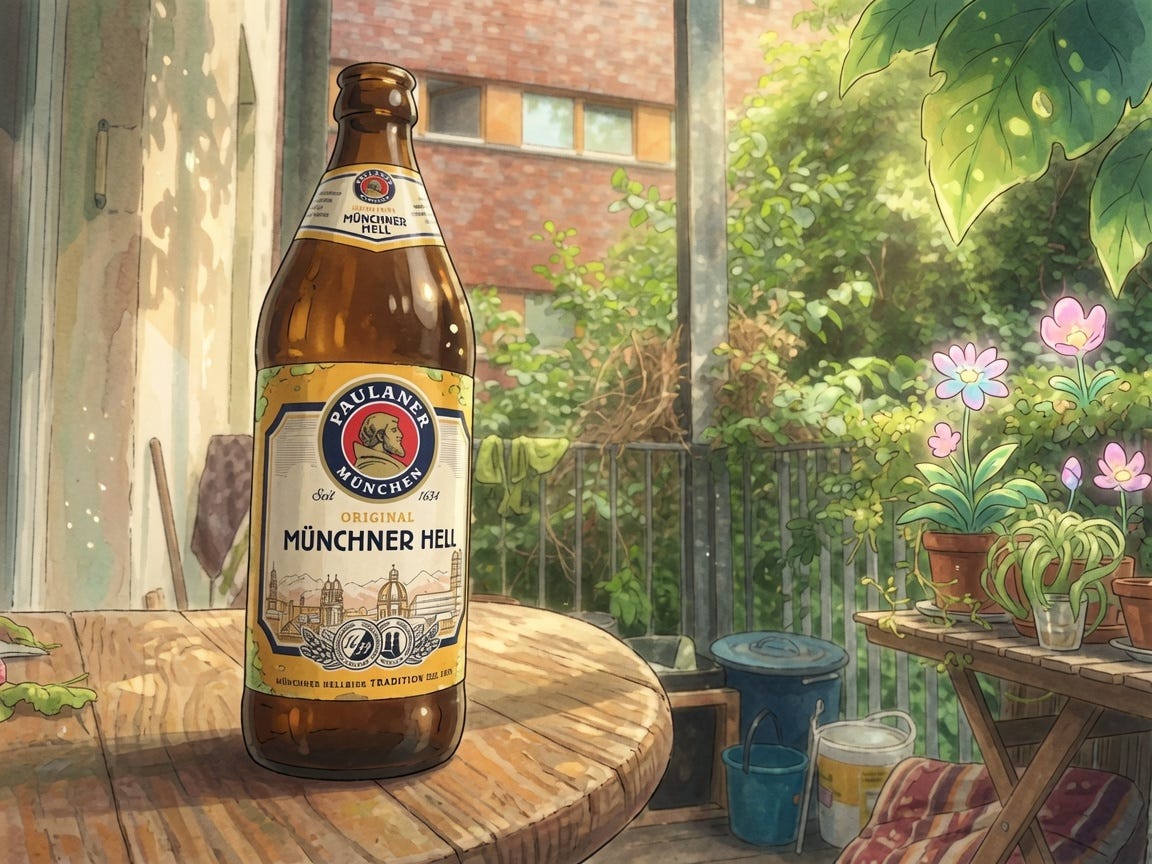
Alcohol is a pretty nasty drug.
It causes cancer and birth defects. It has a very small therapeutic index, in that the ratio between an ‘effective dose’ and a lethal dose is very small, much smaller than e.g. benzodiazepines or most pharmaceuticals. The more you drink, the higher your risk of heart disease, stroke, liver disease, and a variety of cancers. It combines synergistically, in rather bad ways, with a bunch of other things – in combination with cocaine if forms the highly-cardiotoxic cocaethylene, in combination with cigarettes it increases your risk of throat cancer. It reduces your insulin sensitivity.
It screws with your sleep even in small doses. A friend of a friend got a WHOOP band and said “it was a very expensive way of telling me I should stop drinking.”
Alcohol is really just a solvent – which means it gets everywhere, causing mayhem as it does. It interacts with a bunch of different receptors in ways which aren’t totally desirable. GABA to make you relaxed, glutamate to make you dissociated (and stumble around at higher doses); it triggers dopamine and opioid release to make you want more of it. One particular opioid receptor polymorphism makes it bind to opioid receptors directly; unsurprisingly people who have this mutation are much more likely to be alcoholics.
Folks used to say that a small amount is good for you (usually framed as a small glass of red wine per day, for the polyphenol content). The WHO now says that this isn’t true and that the only safe dose is zero.
Hangovers alone are a huge source of economic loss (in terms of workdays lost to being hungover) and raw suffering.
If that all wasn’t bad enough, it’s also full of calories.
It’s also quite a lot of fun, and it’s hugely significant culturally for a bunch of reasons. It’s an important part of meeting a mate, although a fraught one – most date rapes are committed with the help of alcohol alone; surprisingly few involve rohypnol or other drugs. It’s part of our social schemata for making new friends and bonding with old ones, getting to know your colleagues better. It’s a nice way to unwind after a long day at work, or a stressful encounter (“I need a stiff drink!”), or just to kick back on a lazy Sunday.
Any analysis of alcohol needs to consider the benefits as well as the costs – some think that the world would be robustly better without alcohol but I’m not so sure. Supposedly a lot of the issues that Gen Z face (fewer friendships and romantic relationships, more sexlessness) are in part to do with reduced risk-taking; it wouldn’t surprise me if that generation’s near-teetotalism was part of the problem. How many relationships were started with the aid of a little inebriation?
Making an alcohol-like drug which isn’t quite so terrible would be an enormous improvement. It’s one of the most widely-used recreational drugs worldwide. Reducing the damage it does even a few percentage points would be a welfare increase on the order of tens of billions of dollars.
I see a few routes to doing this, some realistic and others not:
Combine a bunch of other, safer drugs which mimic the receptor binding profile of alcohol. Benzodiazepines are GABAergic, ketamine antagonises NMDA receptors, etc. You presumably could mimic the effects of alcohol pretty closely this way, although some of the downsides would remain.
Do the above but without trying to mimic the full effects of alcohol. Your new alcohol would ideally not be opioidergic, for example; arguably you wouldn’t want it to be an NMDA antagonist either given that’s responsible for the loss of motor control and all the drunks who’ve fallen over showing up in casualty.
Develop a completely new drug which mimics the effects of alcohol, without the side effects and with a readily-available antidote.
In the next instalment, I’ll dig into each of these.
3 comments
very based, i don't drink but loved ones do and there's a severe history of alcoholism on both sides of the family. i uber support this.
You might find this interesting Henry
https://www.youtube.com/watch?v=CDY2idko67Y
Have a good day!
So Henry - you either need to drink it or smoke it - sniffing it in the loo isn’t going to work…so good luck but thousands of years of imbibing and development will take some replacing …
Reply on Substack →